"Press 1 for Support" Is Dead. What AI Voice Agents Are Replacing It With.
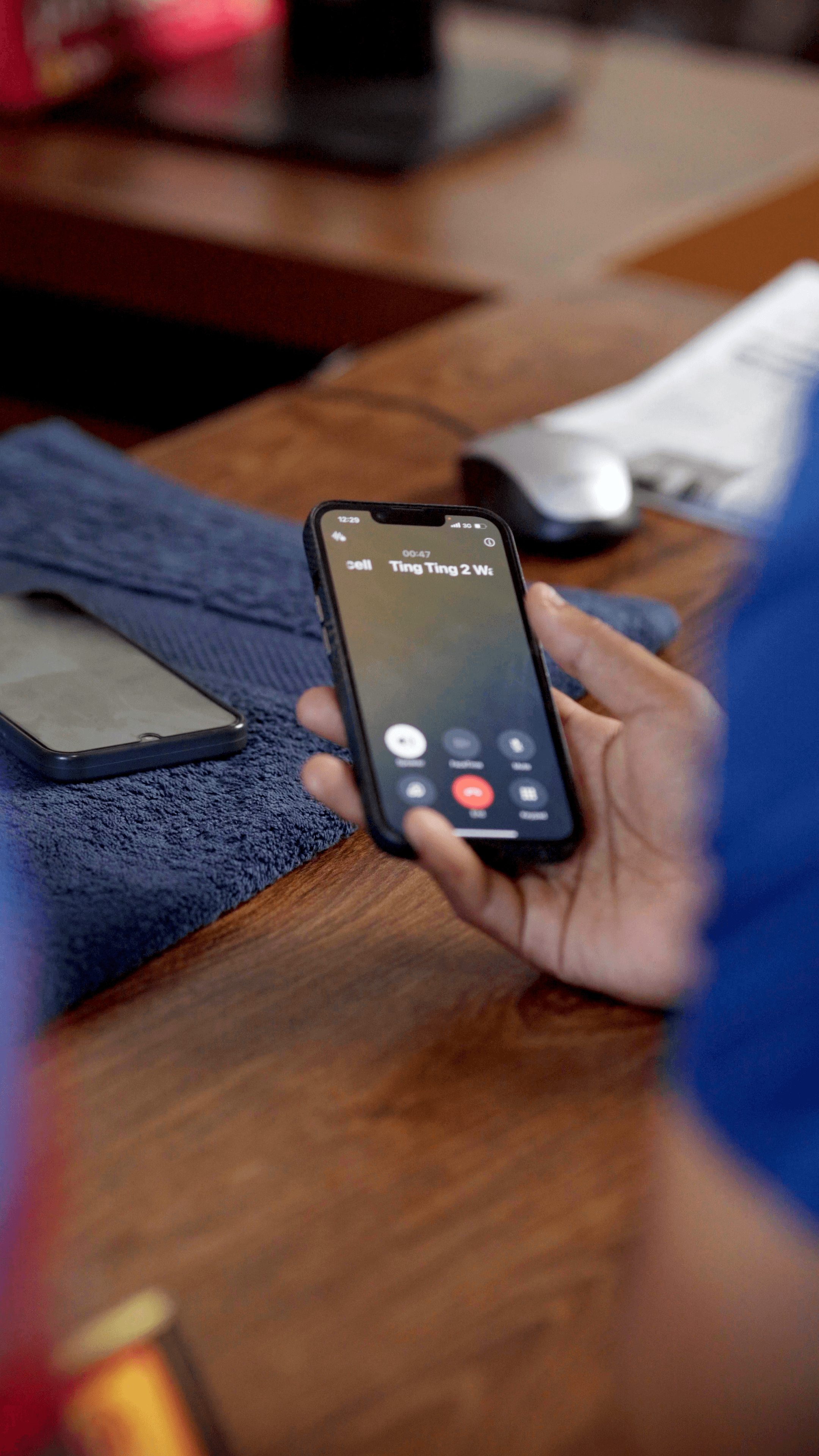
Nobody has ever enjoyed navigating a phone menu. For decades, businesses used them anyway. That era is ending.
Press 1 for billing. Press 2 for technical support. Press 3 to repeat this menu.
The Interactive Voice Response system(IVR) has been one of the most universally undesirable technologies in customer service for the past thirty years. It was created to reduce call center costs by routing callers without human involvement. It succeeded at routing. It failed at everything else.
Customers hung up. They pressed 0 repeatedly hoping to reach a human. They called back and started over. They vented their frustration to whoever eventually answered. IVR became a symbol of businesses that prioritized cost reduction over customer experience.
AI voice agents are replacing IVR entirely. Not patching it. Replacing it. And the difference in customer experience is not incremental, it is categorical.
What an AI Voice Agent Actually Does
An AI voice agent is a system that can hold a real, natural conversation with a caller, understanding what they are asking, interpreting their intent, retrieving relevant information, and responding like a human, without a menu, or a human operator.
When a customer calls and says "I need help with opening an account," the AI agent understands the full meaning of that sentence. It does not ask the caller to press a number. It processes the language, retrieves the relevant information, context, and responds naturally.
If the caller speak with a regional accent or use informal phrasing, the agent understands. If the issue requires a human, the agent transfers the call seamlessly with full context, so the customer does not have to repeat themselves.
The Technology Behind the Conversation
What makes modern AI voice agents different from earlier voice technologies is the combination of three components working together in real time:
- Speech-to-Text: The system transcribes what the caller is saying with high accuracy, even with background noise, accents, or unclear pronunciation
- Language Understanding: A large language model processes the transcript, interprets the caller's intent, and determines the appropriate response
- Text-to-Speech: The response is converted into natural, human-like speech and delivered back to the caller within milliseconds
The best AI voice agents today achieve end-to-end response times under 200 milliseconds, faster than a natural human pause in conversation. To a caller, it feels like talking to a person.
Why This Matters Specifically for Nepal
Nepal presents a unique communication landscape that makes AI voice agents particularly relevant. A significant portion of the population prefers voice communication over text. Many customers are more comfortable speaking in Nepali than typing in English or Roman script. And phone calls remain the default channel for customer support across most industries.
Generic, English-only AI voice systems have historically performed poorly in markets like Nepal because they were not built with local language, accent, and cultural context in mind. The AI agents now being deployed in Nepal, like TingTing Agents, are built specifically to understand spoken Nepali, including regional accents and informal phrasing.
TingTing Agents, for example, can understand Nepali language and intent and respond in less than 200 milliseconds.
What Happens to the Calls That Need a Human
AI voice agents are not designed to replace human agents entirely. They are designed to handle the volume of straightforward, repetitive calls that do not require human judgment so that human agents can focus on the complex, sensitive, and high-value interactions that genuinely need them.
When a call exceeds what the AI can handle, the transfer to a human agent happens with context. The human agent knows what the customer asked, and can pick up exactly where the AI left off. No repetition. No frustration. No cold start.
This is not just a support improvement. Every call becomes a data point. Every pattern becomes a signal.
The era of the phone menu is ending because businesses now have something better. Not a more sophisticated menu. An actual conversation.